Don’t Empty the Boot: The Permanent Kit That Gets You Home From a UK Adventure

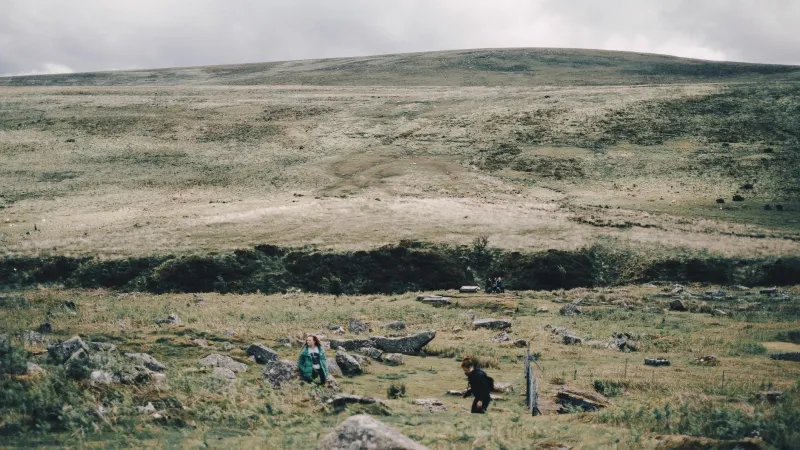
Photo: Keith Edkins , CC BY-SA 2.0, via Wikimedia Commons
It’s 4:40pm in November. You’re in a National Trust car park somewhere off the A57, boots sodden, headtorch dimming, and the car is 200 metres away across a field that has turned into a mud bath. The drive home is ninety minutes. The car isn’t just transport — it’s the first dry room you’ve had in hours.
That’s the moment a permanent boot kit earns its keep. Not a doomsday prepper stash, not an expedition cache. Just a small, sensible collection of things that stays in the car between adventures, so the wet, cold, delayed and muddy bits of a UK day out don’t turn into a grim little epic.
The kit you don’t unpack
Here’s the pattern most of us fall into. You get home, haul everything inside to dry, and the car ends up with a crisp packet and one lonely sock. Then a mate texts about a dusk paddle, or the forecast shifts, or you finish the walk later than planned. Suddenly you’re heading out with nothing in the boot but optimism and a half-empty screen wash bottle.
A permanent kit is insurance against your own good intentions. It lives in a small plastic crate or a sturdy dry bag in the boot, and it only gets touched to replace what you’ve used. The aim isn’t to duplicate your whole outdoor wardrobe. It’s to cover the gap between finishing the activity and getting home — the bit where UK weather, short daylight and rural car parks do their best work.
What earns a permanent spot
The test is simple: does it help with wet, cold, dark or delayed? If yes, it stays. If it’s niche, heavy or only useful on the trip itself, it goes back in the hallway with the rest of your kit.
A 10–20 litre dry bag is the anchor. Not for the kit itself, necessarily, but for whatever comes back wet — gloves, a baselayer, a towel that’s been sitting in a puddle. It keeps the rest of the boot from turning into a swamp.
A foil blanket or two. They cost a few quid, weigh nothing, and are genuinely useful after a winter dip or a soaking. Not just for emergencies — for the shivers you get standing around in a car park while someone faffs with a wetsuit.
A headtorch with spare batteries, stored separately so they don’t leak or drain. UK winter daylight is a short, sharp thing, and the last twenty minutes of any adventure often happen in the dark. A phone torch is not a plan.
Spare warm layers: a fleece or lightweight insulated jacket, a pair of socks, gloves. Keep them in a dry bag so they’re actually dry when you need them. There is no feeling quite like pulling on a cold, damp spare sock you left loose in the boot three weeks ago.
A microfibre towel. Small, quick-drying, useful for hands, hair, wet seats, or a soggy dog.
Water and a long-life snack. Not a full picnic — just something that stops the drive home being a hunger-induced bad decision.
A basic first aid kit: blister plasters, antiseptic wipes, tape, a couple of dressings. The UK adventure reality is more hot spots and scraped knuckles than dramatic rescue.
A high-vis vest or jacket. If you break down on a dark A-road, you want to be seen. It also doubles as a layer for the passenger who underestimated the evening temperature.
A power bank and cable. Phones die faster in the cold, and rural signal is patchy at best.
Bin bags. For muddy kit, rubbish, or a makeshift dry bag when the proper one is full.
The wet, cold, dark, delayed test
Run any item through those four scenarios and you’ll find the kit sorts itself out. Wet: dry bag, towel, spare socks. Cold: foil blanket, fleece, gloves. Dark: headtorch, high-vis, power bank. Delayed: water, snack, a bit of patience.
That’s the whole philosophy. You’re not preparing for a night on a Scottish hill in January. You’re preparing for the forty minutes after a good day out when everything is damp and the heating in the car takes ages to kick in.
The ten-minute reset
A permanent kit only works if it’s actually permanent. After each trip, spend ten minutes putting it right. Dry anything that got damp, replace the water and snacks, check the headtorch still works, and put the used items back in the crate. It’s not a full pack-down. It’s a quick reset so the kit is ready for the next spur-of-the-moment plan.
Keep it small enough that it doesn’t take over the boot, and contained enough that it doesn’t roll around every time you take a roundabout. A plastic crate with a lid is perfect. So is a sturdy tote bag that lives behind the passenger seat.
What this kit is not
It’s not a substitute for proper planning. It won’t replace a map, a forecast, a charged phone, or telling someone where you’re going. It won’t make a bad decision on a hillside suddenly fine. And it shouldn’t make you complacent about daylight or conditions.
What it will do is soften the edges. It turns a cold, wet, dark finish into a manageable one. It means you can say yes to the extra hour, the second swim, the longer route, without dreading the drive home. And it means that when plans change — as they always do in the UK — you’re not starting from zero.
The boot kit is a habit
The best adventure kit isn’t the most expensive or the most technical. It’s the stuff that’s actually there when you need it. A small permanent kit in the boot is a quiet bit of self-reliance, and it costs less than a round of coffees. Leave it in. Your future self, standing in a dark car park with wet socks, will thank you.