Torchlight Season: Six UK Adventures That Get Better After Dark

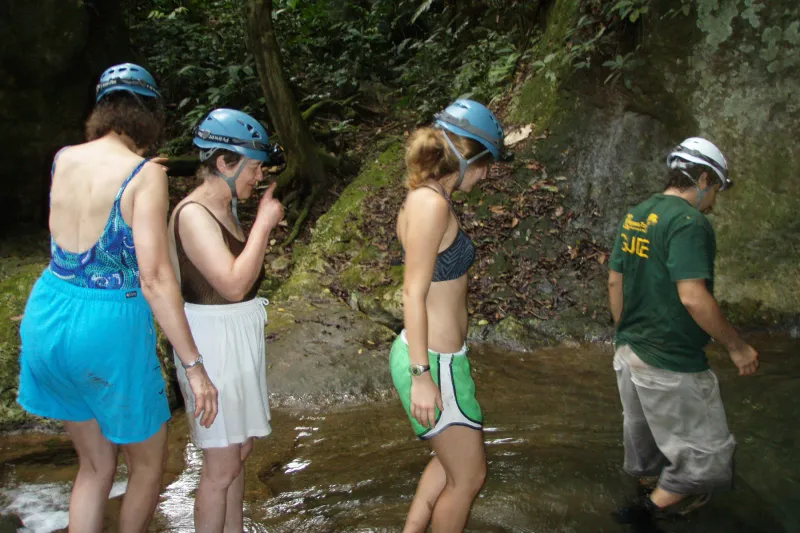
Photo: torchlit gorge scramble night adventure UK head torch guided outdoor, via www.scottsmorraphotography.com
As of 8 November 2026, sunset in much of the UK is before 4.30pm. That sounds like the cue to hibernate until March. In practice, it is the cue to book smarter. Once the clocks change, the outdoors gets quieter, operators get keener and the sort of adventures that feel a bit ordinary in blazing July sunshine suddenly become genuinely memorable.
The catch is that darkness is not a gimmick. It changes the risk, the kit and the pace. So treat this as a practical shortlist, not a dare. Every one of these six works best with a qualified leader, a proper plan and a head torch you have actually tested before you leave the house.
Why the post-clocks-change window is worth booking
Late autumn is not off-season for UK adventure operators; it is a different season. Popular honeypots empty out, instructors have more breathing room and night-specific sessions — navigation, cave trips, torchlit scrambles — come into their own. You are also more likely to get a small group, which usually means better safety and less standing around in the cold.
The trade-off is weather. Cold, wet rock is slower and slicker. Rivers can rise fast. Cloud can kill visibility on a ridge in minutes. Book with an operator who is happy to talk about Plan B, and assume the forecast will change at least once.
1. Torchlit gorge scrambling
A guided gorge scramble after dark is one of the most atmospheric things you can do in the UK outdoors. The beam of a head torch picks out the next hold, the water sounds louder and the whole thing feels far more adventurous than the same route in daylight. Locations in the Peak District, Eryri and the Lake District often run these as bespoke sessions rather than fixed weekly trips.
What to ask: whether the route is suitable for your experience, what the guide-to-client ratio is, how deep the water gets and whether wetsuits and helmets are included. If the answer to any of those is vague, walk away. Cold water is the real issue in November, so a decent wetsuit, neoprene gloves and a dry layer for afterwards matter more than bravado.
2. Night navigation challenges
Night navigation is the antidote to app-dependent walking. Give a guide a dark moor, a compass, a map and a group of adults who thought they knew how to use a grid reference, and you get a genuinely useful skills session with a side order of adrenaline. Dartmoor, the Brecon Beacons and parts of the Scottish Highlands are classic venues.
Why after dark? Because the feedback loop is brutally honest. You cannot see the stile you were aiming for, so you have to trust the bearing, the pacing and the contour reading. That is the point. Ask whether the session includes a taught element or just a guided walk, what the bail-out options are and whether the group will be split if abilities vary.
3. Cave trips and mine explorations
Underground adventures do not care what time it is above ground, which makes them a smart pick when daylight is scarce. Guided cave trips in the Yorkshire Dales, the Peak District and South Wales can range from stooping-and-splashing introductions to proper vertical trips. Either way, the dark is the medium, not a side effect.
Kit matters. Operators should provide helmets, lamps and any technical kit, but you still need warm layers, sturdy footwear and a change of clothes. Ask about water levels, recent conditions, group size and whether the trip is a through-trip or an out-and-back. If you are claustrophobic, say so early; a good operator will steer you towards a roomier route rather than shame you into a squeeze.
4. Night mountain biking
A trail centre after dark is a different animal. Your world shrinks to the cone of your light, roots appear late and the flow you thought you had in daylight gets recalibrated. UK trail centres from the Forest of Dean to the Scottish Borders run night sessions and guided rides through the darker months.
You need a reliable bike light, not a commuting blinky. A bar light for the trail and a helmet light for looking ahead is the usual setup. Ask whether demo lights are available, whether the ride is coached or led, and what the pace and technical level are. Also check whether the session runs in wet weather; some do, some quietly cancel when the trails turn to soup.
5. Moonlit ridge walks and fell runs
Not every night adventure needs a wetsuit or a bike. A guided moonlit walk or fell run on a familiar UK ridge can be superb when the sky is clear and the ground is not icy. The Lakes, Snowdonia and the Pennines all offer guided night walks, and some operators run navigation-focused fell runs for experienced runners.
Be honest about your fitness. A night walk on rough ground takes longer than the daylight equivalent, especially in wind and bog. Ask about the route, the expected pace, the cut-off time and what happens if the cloud comes in. Take a proper emergency shelter, spare batteries, a whistle and a phone in a waterproof case. A power bank is cheap insurance.
6. Night paddles and estuary kayak trips
A calm estuary or sheltered loch at night is oddly peaceful rather than scary, provided you are with a competent operator. Guided night paddles often run in places like the south coast, the Scottish lochs and parts of the Norfolk Broads. The appeal is the quiet, the stars and the strange sense of scale when you cannot see the shoreline properly.
Ask about visibility rules, lighting requirements, water temperature and the operator's maximum wind limit. You will need a head torch, but avoid shining it in your paddling partner's eyes. A small red light is kinder for preserving night vision. And if the operator does not mention cold-water shock or immersion kit, ask why.
The kit that actually matters
- A head torch with fresh batteries and a spare set, plus a small hand torch as backup.
- Warm layers, a waterproof shell and a dry bag for anything that must stay dry.
- Proper footwear with grip, not fashion trainers with ambitions.
- Emergency shelter, whistle, charged phone and power bank.
- Food and a hot drink in a flask. Night cold makes hunger arrive faster.
- Any specialist kit the operator says they will provide — confirm it is included, not merely available.
What to ask before you pay
Ask who is leading, what their qualification is and what the group ratio will be. Ask what happens if the weather turns, whether transport is included and whether there is a minimum number for the session to run. Ask what kit is included, what you must bring and whether there is a cancellation policy that treats you fairly if conditions are unsafe.
A good operator will answer these questions without huffing. A bad one will tell you not to worry and change the subject. That is your signal.
The bottom line
Darkness is not an obstacle to a good UK adventure; it is a different setting with different rules. Book a guided night session, take the kit seriously and treat the shorter days as an invitation rather than a shutdown. November 2026 might be grey above ground, but underground, underwater and under torchlight, it is a very good time to be out.