The Flexible Deposit Playbook: Booking UK Adrenaline Days Around the Forecast
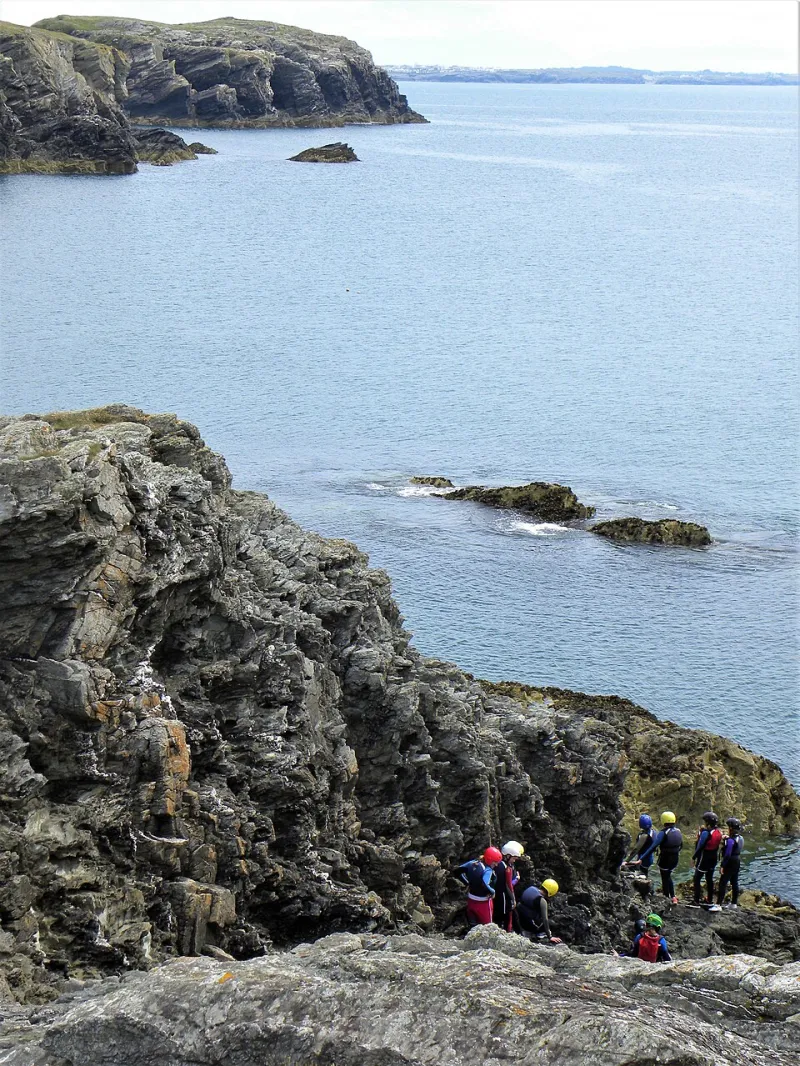
Photo: Gordon Hatton , CC BY-SA 2.0, via Wikimedia Commons
British adventure bookings have a familiar shape. You pick a date months out, pay a deposit, then spend the next eight weeks refreshing the Met Office with the intensity of a football fan checking a penalty shoot-out. The date was never the problem. The weather is. So treat the date as a placeholder and the forecast as the decision-maker.
This is not about being flaky. It is about paying for flexibility in a country where a sunny Tuesday can turn into horizontal drizzle by lunch. A good deposit should buy you a proper second chance, not a expensive lesson in small print.
Start with the provider, not the calendar
Before you compare prices, compare policies. Two coasteering days can look identical on a booking page and behave completely differently when a 35mph wind arrives. Ask who makes the weather call, when they make it, and what happens next.
The useful questions are boring but decisive. Is the deposit transferable to another date? How many times? Is there a reschedule fee? If the provider pulls the plug, do you get money back or a credit note? What counts as unsuitable weather — is it a defined wind speed, river level or visibility threshold, or just a vague vibe? Get the answers in writing, even if it is only a confirmation email.
Activity matters too. Sea kayaking and coasteering are sensitive to swell and wind. Caving and gorge walking are more about rainfall and water levels. Paragliding and skydiving live and die by wind. A zip line may close for lightning. A good provider will know their own cutoff points and should be happy to explain them.
A deposit is an option, not a promise
Think of a deposit as the price of keeping a door open. If it is 10 to 25 per cent of the total, transferable once, and valid across a six-month window, it is doing its job. If it is 50 per cent, locked to one date, and only refundable when the apocalypse arrives, you are not buying flexibility. You are buying hope.
Be clear about the difference between a deposit and the balance. Some providers take a small deposit but require the full balance weeks before the activity, which means your real cancellation cutoff arrives earlier than you think. Others let you pay the balance a few days out. That difference matters when the forecast only becomes trustworthy inside 72 hours.
Also check whether the deposit is per person or per booking. A group of six chipping in £30 each feels painless until three of you need to move dates and the admin fee is charged six times. Ask about group transfers as well as individual ones.
Read the cancellation clause like you mean it
The word cancellation is doing a lot of heavy lifting in adventure booking terms. There is cancellation by you, cancellation by the provider, and the grey area called the weather was grim but not dangerous. That grey area is where deposits go to die.
If the provider cancels because conditions are unsafe, you should expect a refund or a fair credit. If you cancel because the forecast looks merely unpleasant, you are probably still on the hook. A provider cannot run a business on maybes, and a bit of rain is not usually a safety issue. Be honest with yourself: are you pulling out because it is unsafe, or because you would rather be in a cafe?
Look for the reschedule window. A provider who lets you move your booking up to 48 hours before, with no fee, is offering something genuinely valuable. One who demands seven days' notice is asking you to predict British weather a week out, which is less a booking policy and more a test of faith.
Build Plan B before you pay
A Plan B should not be a second deposit. It should be a realistic alternative that uses the same travel, the same accommodation and the same group. If the sea is off, is there a sheltered gorge walk nearby? If the crag is wet, is there an indoor climbing wall or a navigation skills day? If the river is too high, can the provider switch you to a lower-level session?
Some providers run multiple activities from the same base. That is gold. You book the date, not the discipline, and they decide on the morning whether it is climbing, abseiling or a hill day. It is not the same buzz, but it beats a wasted weekend.
Keep your travel and accommodation flexible where you can. A prepaid train ticket and a non-refundable cottage can turn a sensible weather call into an expensive one. If you are travelling far, consider booking accommodation with a free cancellation window that matches the provider's weather cutoff. And do not book two adventure deposits for the same weekend just in case. That is not a Plan B. That is a Plan Pay Twice.
The 72-hour rule
Forecasts are not magic. Beyond three days, the detail is often guesswork with a nice graphic. Inside 72 hours, you can start making real calls. Inside 24 hours, you should be confirming with the provider rather than guessing from your kitchen window.
Use the Met Office for the general picture, MWIS for mountain conditions, and local webcams or harbour cameras where they exist. Check the wind, not just the rain. Check the temperature and wind chill, not just the sunshine symbol. Then ring or email the provider with a specific question: given the current forecast, what are you thinking for Saturday?
A good provider will give you a straight answer. A poor one will be vague until it is too late to change plans.
The booking script
Before you pay, ask: What is the deposit? Is it transferable, and how many times? What is the cutoff for moving the date? Who decides if the weather is unsuitable? If you cancel, what do I get back? If you cancel, what do I get back? Are there admin fees? Can we switch activities instead of dates? Can the whole group move together?
If the answers feel slippery, walk away. There will be another date. There will be another provider. The forecast will still be British, but at least your deposit will be doing its job.
At Adrenna, we would rather see you book fewer days and actually do them than collect deposits like badges of honour. Pick the provider who treats weather as part of the plan, not an inconvenient surprise. Then book the date, watch the forecast and let the deposit hold the door open.