Ground Crew Rules: The Art of Waiting Well While Someone Else Goes Over the Edge

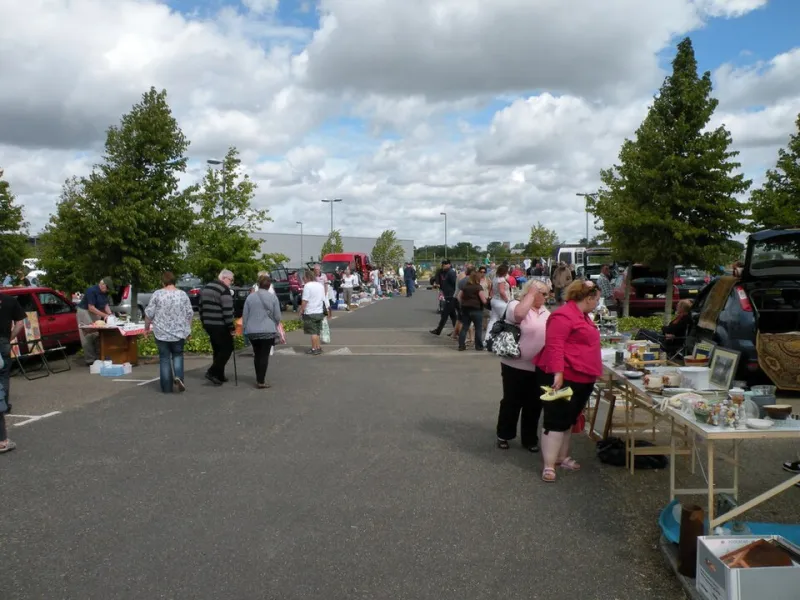
Photo: John Allan, CC BY-SA 2.0, via Wikimedia Commons
You are not the spare part. When your partner, mate or teenager is pulling on a wetsuit for coasteering in Pembrokeshire, clipping into a via ferrata in the Lakes or waiting to jump off something high in Scotland, the person left at the meeting point is doing real work. Not glamorous work. Not Instagram work. But real work all the same.
Ground crew keep the day joined up. You hold the keys, the medication, the spare layers and the calm. You are the reason the person actually doing the activity can focus on the activity instead of worrying whether the car is clamped or the cafe shuts at four. Treat the role properly and everyone gets home warmer, drier and less frazzled.
First, learn the shape of the day
Before the kit comes out, get the timetable straight. Not the glossy version on the website — the actual one from the instructor or office. Ask when the briefing starts, when they kit up, whether transport is involved, how long the activity window really is, and what the realistic return time looks like. "Back around two" and "we will call when we are off the route" are very different promises.
Save the operator's number. Get the name of the duty instructor if you can. Take a photo of the briefing board or the printed schedule. If the group is being driven to a remote start point, ask where spectators can park, whether access closes behind them and where the nearest public toilet is. These are not fussy questions. They are the difference between a useful wait and three hours in a rainy car park wondering if you have been forgotten.
Pack like standby crew, not like a holidaymaker
Your job is to be ready for the small things. A modest daypack will do it: waterproof shell, warm layer, flask, water, snacks, power bank, charged phone and a headtorch in winter. Add a foldable mat or bin bag to sit on, a dry bag for wet kit, a small first aid pouch and a card or cash for parking and cafe stops. If children are waiting with you, double the snacks and add gloves.
Do not bring a drone unless the operator has explicitly said yes. Do not bring a dog unless the venue allows it. Do not bring a portable speaker and a party atmosphere to a quiet rural car park. Ground crew who annoy the landowner or distract the instructor are not helping.
Be useful at the meeting point
There is a sweet spot between hovering and vanishing. Hold phones, keys and medication so they are not left in a locker or a wet pocket. Help with obvious kit checks only if the instructor invites it. Take photos from a safe distance, not from the edge of the jump or the middle of the briefing. Keep the group's non-participants together and calm.
Be the person who knows where the car is, what time the cafe closes and whether the road out floods. That sounds small. It is not. A participant who knows someone reliable is waiting is a participant with less background noise in their head.
Read the timings without becoming a human countdown
Adventure operators build buffers into their days. Weather changes, group pace varies, equipment needs fettling and transport rarely runs like a Swiss train. A three-hour window might mean two hours of actual movement and an hour of waiting around. Do not ring the office every twenty minutes. Agree a check-in plan instead.
Ask the instructor: "What is the latest you would expect to be back before I should raise it?" Then stick to that. If signal is patchy, agree a fallback: return to the car by a set time, leave a note on the windscreen, or meet at a named cafe. Keep your phone charged and your expectations flexible. Being ground crew is mostly about holding a plan lightly but firmly.
Weather is part of your job too
You are the one standing still. Standing still is cold. Standing still in a Welsh wind or a Scottish squall is genuinely cold. Wear more than you think you need, bring spare socks and have a warm layer in the car. If you become miserable and hypothermic in the car park, you become another problem for the group. Know where the nearest shelter is, whether there is a cafe, and how short the daylight is in winter. Have a headtorch ready even if the activity is supposed to finish before dusk.
The handover matters more than you think
When they come back, resist the urge to launch straight into logistics. Offer a warm layer, water and a snack. Take the wet kit. Let the instructor finish their debrief. Ask quietly if anyone needs first aid or a lift. Then deal with the car, the parking ticket and the route home.
If something has gone wrong — a delayed return, a minor injury, a change of plan — stay useful rather than dramatic. Call the agreed contact if the check-in time has genuinely passed. If you see unsafe behaviour, speak to the operator, not the internet. You are not the rescue team, but you are the link between the day and the outside world.
The quiet safety net
The person holding the drybag is not an afterthought. They are the safety net's second pair of hands: organised, warm, contactable and calm. Bring a flask. Learn the plan. Know when to speak up and when to shut up. Then enjoy the strange satisfaction of being the reason someone else's big day ran smoothly.