Test Drive the Expensive Stuff: Borrowing UK Adventure Kit Before You Buy
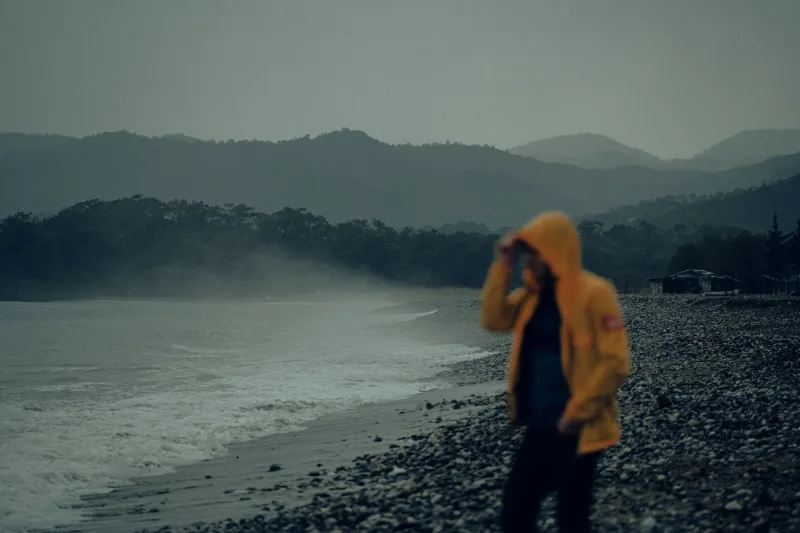
There is a particular kind of optimism that convinces a person to spend £480 on a waterproof shell after watching four YouTube reviews and one very confident bloke in a car park. Then the jacket arrives, you wear it up a hill in horizontal drizzle, and within twenty minutes you know — properly know — that the hood doesn't work with your head, the sleeves are an inch long, and you're going to spend the next five years noticing it.
Demo days, rental fleets and club kit libraries exist to stop that happening. Not because they're a free day out (though they can be), but because a piece of kit only reveals itself under load, in weather, on a real hill. A showroom mirror tells you almost nothing.
Why a borrowed day beats a borrowed opinion
Reviews are useful for the big structural stuff: does the zip fail, does the brand honour warranties, is the fabric genuinely breathable or just well-marketed. What no review can tell you is whether the harness sits on your hip bones, whether the boot's heel pocket suits your ankle, or whether the pack's hip belt lands on the bit of your pelvis that objects to pressure after four hours.
Fit is personal. Weather isn't. So test in the worst of it.
Where UK kit actually gets lent out
Shop demo days. Cotswold Outdoor, Ellis Brigham, Tiso and George Fisher in Keswick all run brand-led try sessions, usually spring and autumn, often on a weekend with a rep on hand and a muddy patch outside. Turn up, ask what's available in your size, and don't be shy about walking around in the boots for twenty minutes.
Brand fleets. Alpkit has long run hire on packs, tents and sleeping kit, which is a genuinely useful way to spend a weekend with a bivvy bag before committing. Osprey and several pack brands run fitting days where they'll measure your back and load you up properly.
Clubs. This is the underrated one. BMC-affiliated climbing clubs, university mountaineering clubs, caving groups and many Ramblers groups hold kit libraries and lend-a-pack schemes. Pay a modest membership fee and you can often borrow a rope, a rack or a tent for a trip. You also get people who've used the gear for years and will tell you exactly what's rubbish.
Instruction centres. Plas y Brenin and Glenmore Lodge include kit in many courses. Two days on a winter skills course is a legitimate way to spend real time in a proper hardshell and a pair of crampons before you buy either.
Festivals and events. Kendal Mountain Festival and the bigger trail and open-water events tend to have demo tents. Bring your own socks, be polite, and you'll often get a decent ten minutes in the kit.
What a car park can't tell you
Demo days fail when people test the wrong things. Putting on a jacket and saying "feels nice" is not a test. These are:
- Hood on, hood up, with a helmet if you climb or scramble. Can you turn your head? Can you see your feet?
- Cuffs with gloves on. Can you get a glove inside the cuff, or is there a velcro fight every time?
- Pack on, jacket on. Does the hip belt sit over the jacket without rucking up the hem?
- Boots on a wet descent. Uphill is the easy test. Feet slide forward on the way down, and that's where the last shape either works or shreds your toes.
- Packs with real weight. Ten kilos, not a folded fleece. Load lifters and hip belts behave completely differently under load.
- Harness hang test. Find a bar, hang for two minutes, see where it hurts. Nobody does this and everybody should.
- The boring bits. Can you put it on with cold, wet hands? Does it stuff into your pack? Does the vent zip work while you're moving?
If you only get one shot at it, book your test day for the sort of weather you'd normally stay home in. Drizzle, wind, low cloud. That's the honest trial.
Nine questions to ask before you sign
- Is the deposit a hold or a charge? And when does it come off my card?
- What's the damage excess? A £25 waiver on a £400 item is often worth it on rock; on a mat, less so.
- What counts as fair wear? Scuffs, mud and a bit of grit are normal. A torn crampon strap isn't.
- When was it last serviced? Harnesses, bindings and crampon points all have service histories. Ask.
- Is this ex-demo stock or working fleet? Age matters more than the sticker.
- What are the cleaning expectations? Some places charge for a wash.
- Late return and cancellation terms. Weather cancels plans. Know the cut-off.
- Can I take it abroad, or onto sharp ground? Ice axes and granite don't mix with a rental agreement.
- Are spares available? Buckles, pole sections, valve seals.
The maths that ends the argument
Take a £480 hardshell. If you genuinely get out fifteen days a year for five years, that's about £6.40 a day. A bargain. But most people don't, and that's the bit nobody puts in the review.
Now hire the same jacket for a wet weekend at, say, £35 a day. Two hires is £70. You've had the experience, learned the fit, saved £410 and discovered you actually prefer a different brand's hood.
Try this instead: write down how many days you'll realistically use the item in the next twelve months. Be brutal. If the hire cost for that many days comes in under about half the purchase price, hire first. If you're already planning a fortnight in Scotland and a week in the Alps, buy.
The other hidden cost is storage and guilt. A tent you use twice a year doesn't just cost money; it takes up a shelf and quietly judges you every time you open the cupboard.
Treat it like it's borrowed, because it is
Bring your own baselayers, socks and anything that touches skin. Report damage honestly at hand-back — you'll usually be treated better than if you stay quiet and get rumbled. Don't take rental boots up a scree gully if the terms say no; the next person through the door deserves them intact.
And if you find the fit that finally clicks, go back to the shop that lent it to you and buy it there. Demo days are a two-way deal, and the good ones survive on people remembering that.