Ten Fingers, Zero Feeling: Build a Winter Hand Kit That Actually Works

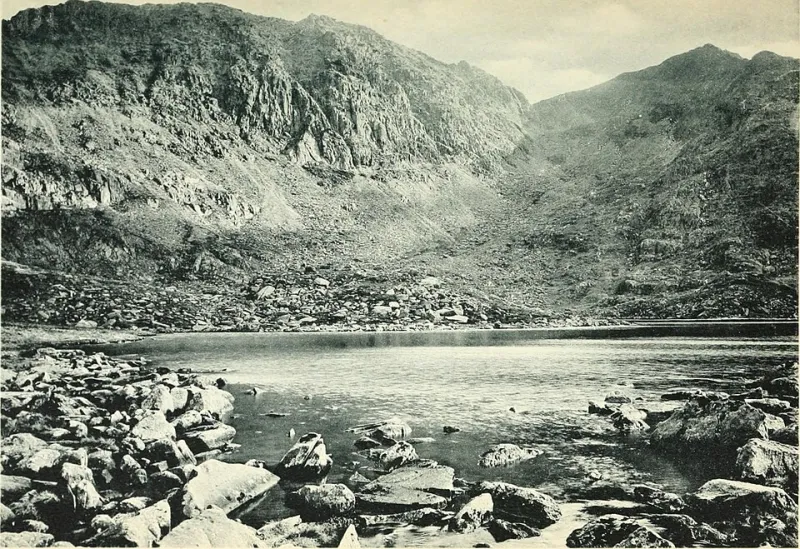
Photo: Bjørn Heidenstrøm from Sætre, Norway, CC BY 2.0, via Wikimedia Commons
Winter on a UK hill has a way of editing your plans without asking. You can have the legs, the layers and the flask, but the moment your fingers go numb, everything gets slower and sillier. Zips become a puzzle. A map turns into a crisp packet. Ropework stops being smooth and starts being a negotiation. That is the glove gap: the space between what your hands can do in the car park and what they can do an hour later in wind and sleet. At Adrenna, we treat hand function as core adventure kit, not a last-minute afterthought.
Why hands quit before legs
Your legs are working. They are generating heat, moving blood and doing the job they evolved to do. Your hands are often doing the opposite: gripping a trekking pole, holding a bike bar, clutching an axe, or hanging around while you stop to check the map. Add wind, wet gloves and a bit of altitude, and the blood vessels in your fingers constrict to protect your core. Fine motor control goes first. You can still walk, but you cannot easily fiddle with a strap, open a snack, tie a lace or read a compass bearing without taking your gloves off — which starts a miserable loop of exposure and fumbling.
On a winter scramble or a cold-weather paddle, that matters. Hands are part of your safety system. They work the rope, the brake, the paddle, the zip, the phone, the first aid kit. If they are wet and useless, your margin shrinks. The fix is not one miracle glove. It is a small system you understand before the weather gets a vote.
Liners and shells: the two-part trick that earns its keep
A liner-and-shell setup is still the most flexible answer for UK winter conditions. The liner sits next to the skin, moves sweat away and gives you a warm layer you can keep on while your shell comes off for a fiddly job. The shell blocks wind and sheds sleet or spray. Together they are warmer and more adaptable than one thick glove that turns into a soggy sponge.
Look for liners that fit snugly without bunching at the fingertips. Merino or a decent synthetic blend works well; cotton is a poor choice because it holds water and cools you down. Bring a spare pair in a dry bag. A dry liner is a genuine morale boost and a proper safety item on a long winter day. For shells, check the cuff length and how they sit with your jacket sleeve. You want overlap, not a gap where spindrift can pour in. If the shell is too baggy, you lose dexterity. If it is too tight, you cut circulation. Fit matters more than marketing language.
Mitts versus gloves: pick the job, not the look
Mitts are warmer for most people because your fingers share heat. They are brilliant for belaying, sitting at a winter crag, walking on bitter days or keeping your hands usable while you are not doing detailed work. The trade-off is obvious: less dexterity. If you need to tie knots, handle a rope, adjust a binding or read a map in wind, mitts can be the wrong tool at the wrong moment.
Gloves give you more control, but individual fingers are colder and more exposed. A good compromise for many UK days is a pair of insulated gloves with a removable liner, plus a pair of lightweight overmitts for the stops. For paddling, pogies can keep your hands on the paddle shaft while protecting them from wind and spray. For winter biking, bar mitts are not glamorous, but they work. For scrambling and ropework, carry a warmer pair for the walk-in and a thinner pair for the technical bit. The point is to match the handwear to the task, not to wear the same pair from car park to summit and back.
The dexterity tax
Every glove has a dexterity tax. The thicker and warmer it is, the more you pay when you need to do something precise. That is why it is worth practising the little jobs with your gloves on before you need to do them for real. Open and close your jacket zip. Adjust your pack straps. Get a snack out. Read a bearing. Clip and unclip a rope or a leash. If you cannot do those things safely in the garden or at the car, you will struggle on a exposed ridge.
A few habits help. Pre-rig what you can before your hands get cold. Keep the map in a case and use a compass you can handle with gloves. Put hand warmers in your pockets, not directly against bare skin for long periods. Avoid taking gloves off on windy summits for a two-second job that turns into a five-minute fumble. If you must go bare-handed for ropework, do it with a plan: short exposure, dry hands, gloves back on immediately. And watch your mates. The person who goes quiet and starts fumbling is often the person whose hands have already quit.
The two-minute field check before leaving the car
Before you set off, run a quick hand-kit check. It takes less time than finding a parking space.
- Put on your full system —liner, shell and any overmitt — and try to open your jacket pocket, adjust your pack and zip your jacket. If it is a struggle now, it will be worse later.
- Check the cuff overlap with your sleeves. No exposed wrist, no gap for wind.
- Test your grip on the things that matter: trekking pole, axe shaft, bike brake, paddle. If the glove slips or bunches, change it.
- Make sure you have at least one dry spare liner. Two is better on a wet day.
- Check you can read a map or phone screen without fully removing your gloves. A touchscreen-friendly fingertip is useful, but cold hands and wet screens are still a bad combination.
- Ask yourself where your hands will be wettest. Paddling, cycling and scrambling all put different demands on handwear. Pack for that job, not for the walk to the pub afterwards.
What to pack for a UK winter day
A sensible hand kit is small: a thin liner pair, a warmer insulated glove or mitt, a waterproof overmitt, a spare dry liner and a small towel or dry cloth in a bag. Add hand warmers if you run cold, but do not use them as a substitute for proper layers. If you are paddling, think about pogies or a decent pair of neoprene gloves. If you are biking, bar mitts and a thin glove combo often beat one bulky winter glove. If you are scrambling, carry a warm pair for the approach and a thinner pair for the technical ground.
The glove gap is not about buying the most expensive pair on the shelf. It is about noticing that your hands are part of the engine, the safety kit and the decision-making system all at once. Fix them early, keep a dry spare, and your legs will not be the only thing still working when the weather turns. That is the Adrenna approach: test it, carry the spare, and keep moving properly.