The Turn-Around Is a Skill: Build Your Bail-Out Plan Before the Car Is Packed
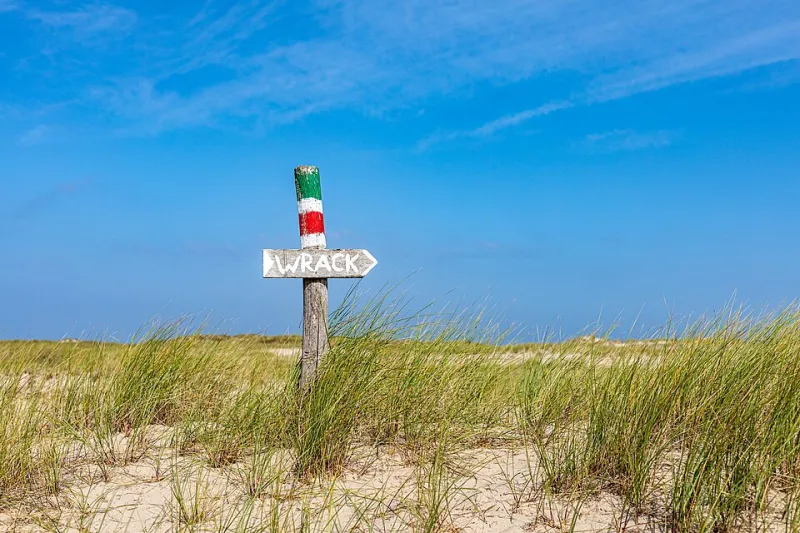
Photo: Dietmar Rabich, CC BY-SA 4.0, via Wikimedia Commons
Adventure plans usually read like a wish list: the ridge, the bothy, the swim, the summit. The bit that gets skipped is the exit. Not because UK adventurers are reckless, but because planning to turn around feels like planning to fail. It isn't. A bail-out plan is what lets you say yes to the day in the first place.
I write one before I pack. It takes ten minutes, lives on my phone and on a piece of paper in my pack, and it has saved more days than any fancy bit of kit.
Set the turn-around at the kitchen table
'We'll see how it goes' is not a plan. Pick a time and a place: 'If we are not on the summit by 13:00, we turn.' 'If we have not reached the col by 11:30, we take the valley path.' Write it down. Say it out loud. Agree it before anyone is tired, cold or emotionally invested.
The same goes for weather. Use the Met Office, MWIS, SEPA river levels, tide tables and local webcams. Then translate the forecast into limits you can actually apply. For an exposed ridge day, that might be: gusts above 40mph, visibility under 100m, persistent rain with a risk of lightning, or a river level that makes the crossing a bad idea. For a coast walk, it might be wind direction, swell and the tide cut-off time.
A trigger is not a prediction. It is a pre-agreed rule so you are not negotiating with yourself on a cold hillside.
The three triggers: weather, time, people
Most turn-arounds come from one of three places.
Weather is the obvious one. But 'bad weather' is too vague. Use numbers and specific locations: wind speed on the exposed section, visibility at the col, the time of the tide, the latest lightning forecast. If the trigger is met, you turn. No debate.
Time is the one people fudge. Daylight, last transport, a booked ferry, a partner expecting you home — these are real constraints. Build in a buffer. If the guidebook says four hours and you know you are slower than the guidebook, add an hour. The turn-around time should feel almost annoyingly early.
People is the trigger nobody wants to mention. Fatigue, fear, a tweaked ankle, a group member who has gone quiet — these are data. A bail-out plan should include a veto. Anyone can call it, for any reason, without having to win an argument. The group agrees in advance that the veto is respected. No sulking, no 'just five more minutes'.
Transport fallbacks are part of the route
In the UK, the difference between a fun day and a long walk in the dark is often the last bus. Screenshot the last two services, not just the one you plan to catch. Know where the nearest taxi rank is and whether you can get signal. If you are driving, park facing the exit on narrow lanes and think about where you would leave the car if the road floods.
On public transport, have a Plan B: a shorter walk from an earlier stop, a bus from the next village, a train from the other end of the valley. If you are relying on a lift, agree a pick-up time and a fallback. 'Text me when you're done' is not a plan if there is no signal.
Injury and emergency: the boring bits
A bail-out plan is not just for drama. It is for the rolled ankle, the migraine, the child who has had enough. Carry a small first-aid kit, a headtorch, a power bank and an emergency blanket. Know how to call for help: 999 or 112, ask for police and then mountain rescue in the UK. Have what3words downloaded and know how to share your location. Tell someone at home where you are going and when you will check in.
If someone is injured, the plan should say who stays, who goes for help, and what information you will pass on. That is easier to decide at home than on a windy path.
The one-page plan
Copy this into your notes app and fill it in. Keep a paper copy in a dry bag.
Objective: what are we actually trying to do?
Turn-around time and place: the exact time and point.
Weather limits: wind, visibility, rain, lightning, river level, tide.
Route and escape options: two ways off, minimum.
Transport fallback: last bus, last train, taxi number, pick-up plan.
Communication: check-in time, emergency contacts, what3words.
Group veto: agreed. Anyone can call it.
Kit for the exit: headtorch, warm layer, water, snacks, first aid, power bank.
That is it. One page. It fits in a pocket and takes less time than arguing about the forecast.
Escape routes are not cheating
Some of the best UK days end early. Swirral Edge instead of Striding Edge when the wind picks up. The Pyg Track instead of Crib Goch when the rock is greasy. A lower valley loop when the cloud is down. A shorter swim when the current is pushing. A coast path cut-off before the tide. These are not failures. They are the plan working.
In 2026, the UK's weather is still doing what it does: arriving faster than the forecast, changing its mind, and making the exit the most important part of the day. A bail-out plan will not make risk disappear. It will make you more willing to go, because you know how to come back. The best adventures have an exit.