The Empty-Car-Park Advantage: Why Your Next Adrenaline Day Belongs Midweek
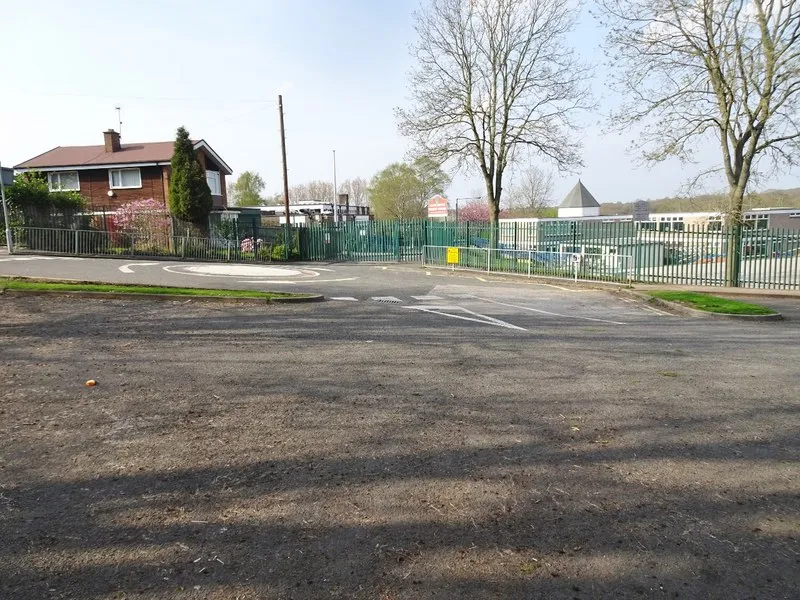
Photo: Gordon Griffiths , CC BY-SA 2.0, via Wikimedia Commons
November in the UK has a particular kind of quiet. Not the silent, frozen quiet of the high Cairngorms, but the ordinary quiet of a trailhead car park with three cars in it. One belongs to the instructor. One is a dog walker's estate. The third is yours. It is a Tuesday.
Compare that with the same car park on a Saturday in July: overspill parking, a queue for the portable loo, and an instructor doing a headcount like a teacher on a museum trip. Both days can be good. But they are not the same product. The midweek day is often the better one — and it is the one almost nobody books.
The quiet tell of a good adventure day
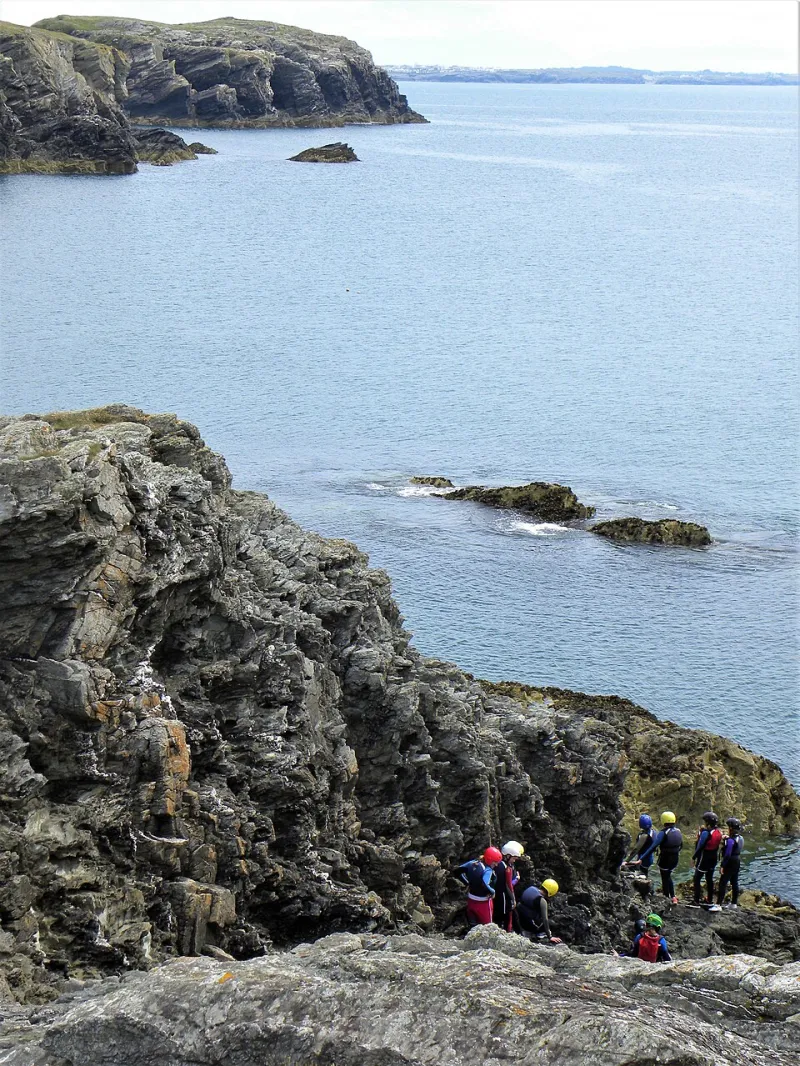
A smaller group is not just a nicer group. It changes the maths of the day. On a guided ghyll scramble in the Lake District, a Saturday ratio of one instructor to eight can become one to three on a Tuesday. That means more coaching, less waiting at the top of the pitch, and a guide who has the headspace to notice you are getting cold before you do. The same applies to climbing, coasteering, caving and via ferrata: the activity is the same, but the attention is not.
Midweek also gives operators room to make better weather calls. A full Saturday booking is a commercial machine that wants to run. A quiet Tuesday has slack. If the wind is marginal on the exposed section, or the sea state is building, a smaller group can switch venues, shorten the route or move the session without wrecking the day for thirty other people. That flexibility is not softness. It is often the most safety-aware decision available.
And then there is the faff tax. The M6 at 8am on a Tuesday is not the M6 at 8am on a Saturday. Trains are emptier. Accommodation is cheaper. The café may open later, but you are not fighting for the last parking space or queueing for a changing room.
Which activities actually get better midweek
Not everything improves. A mass-participation event, a city centre abseil or a night out with a big group all rely on the buzz of a crowd. But these do tend to reward a quieter day:
- Guided technical activities — climbing, ghyll scrambling, coasteering, caving and via ferrata. Ratio-dependent sports get better when the ratio drops.
- Skills courses — navigation, winter skills, rescue training. More instructor time per person is the whole point.
- Weather-dependent sessions — sea kayaking, surfing, paragliding. Midweek bookings are easier to reschedule than a sold-out weekend.
- Anything with a long approach — fewer people on the path, more chance of a parking spot, less pressure to keep up with a conga line.
Be honest about what you are booking, though. A beginner taster session at a centre with one instructor and no backup may be quiet for a reason. Ask whether the centre runs other staff that day, and whether the session is guaranteed to go ahead.
Spending annual leave like someone who knows the game
One day of leave can change a season. The key is picking it properly.
Tuesday is the sweet spot. Monday catches the weekend backlog and the 'where did the weekend go?' admin. Friday leaks into the weekend and often costs more. Tuesday sits in the clean middle: roads are quiet, operators are fresh, and you have a weather buffer if the forecast shifts. Wednesday is a close second and gives you more room to move the day if the Met Office changes its mind.
Check the school calendar before you book. Half-term, inset days and the first week of the summer holidays can turn a midweek car park into a weekend car park. Also check local events — a fell race, a festival or a bank holiday can undo the advantage.
Use flexible tickets or free cancellation where you can. Midweek is quieter, but it is also when smaller operators may cancel if minimum numbers are not met. Ask directly: 'Is this session guaranteed to run, or does it need a minimum number?' If it needs a minimum, book with a mate or ask to join an existing small group.
Packing for a day with room to breathe
When the car park is empty, you need to be a little more self-reliant. The same safety kit applies — waterproof shell, warm layer, headtorch, water, food, first aid — but the margins change.
Tell someone your plan. On a busy Saturday, there are more eyes on the hill. On a Tuesday, there may be nobody behind you. Carry a charged phone, check signal dead spots before you go, and consider a satellite messenger or PLB for remote days. Ask the operator what their emergency protocol is when they are running a smaller team. Quiet does not automatically mean safer; it means you should ask better questions.
Pack food and water as if the café is shut, because midweek in rural Britain it often is. Bring cash for the places that do open. Take a warm layer for the stops — small groups can move faster, which means you may cool down quicker when you pause. And bring spare time: empty roads mean you arrive early, so a book, a flask and a headtorch are worth the boot space.
Finally, check the daylight. A Tuesday in December has the same short day as a Saturday in December, but you feel it more when you are travelling back in the dark. Plan a shorter route, carry a headtorch, and do not let the quiet fool you into starting late.
The Saturday rush is a habit, not a rule. One day of annual leave, one Tuesday in the diary, and the UK adventure scene opens up. Try it once. The empty car park is the tell.