The Sea Keeps the Diary: Planning a UK Coastal Day That Can Change Its Mind

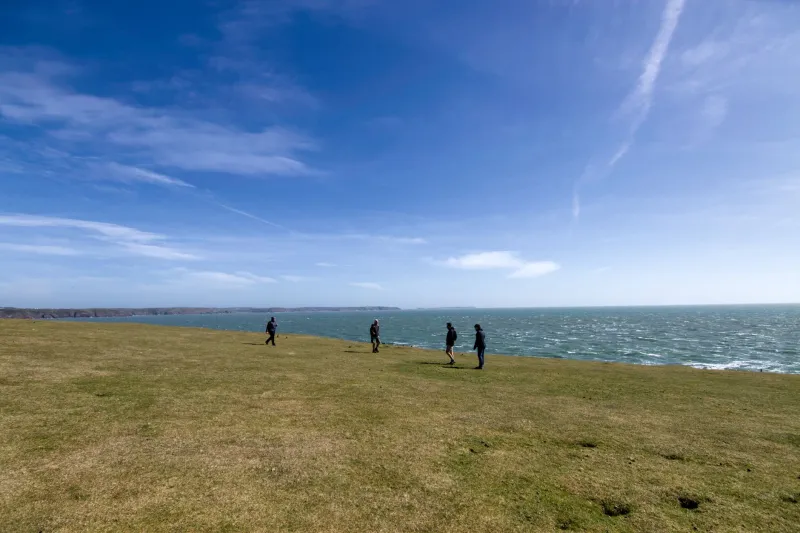
Photo: coasteering group rocky UK coastline tide sea cliffs, via localo.com
Most coastal adventure days go wrong before anyone gets wet. Not because someone lacks nerve, but because the plan was built around a car park rendezvous, a lunch booking and a vague idea that the tide will probably be fine. The sea is less interested in your schedule. It has its own diary, written in tide tables, swell charts and wind forecasts, and it will not shuffle things around to suit you.
That does not mean coastal adventures become cautious, dull affairs. It means the good ones are built in the right order: water first, activity second, logistics last. Whether you are eyeing coasteering in Pembrokeshire, a sea-kayak paddle off Anglesey or a scrambly traverse on the Cornish coast, the same principle applies. Read the water, then decide what the day can be.
Start with the tide, not the meeting point
A tide table is not background admin. It is the spine of the day. You want the height and timing of high and low water, but also the shape of the tide between them. A rising tide on a spring can swallow a beach, cut off a headland and turn a simple exit into a swim. A neap tide may give you a wider window but less water for a kayak launch.
Check whether the table is for a standard port or a secondary port, and use the local adjustments if needed. Then look at the range: spring tides move more water, faster, and the difference between “we can nip round the point” and “we cannot” can be a matter of twenty minutes. If your plan depends on being somewhere at exactly low water, you do not have a plan. You have a countdown.
The three-way check: tide, swell and wind
Tide alone is only one-third of the picture. Swell direction and period tell you what is arriving from offshore. Wind tells you what is happening on the surface and how it will interact with the tide. Wind against tide can turn a manageable stretch of water into a choppy, tiring mess. Wind with tide can make the outward leg feel easy and the return leg feel like a different sport entirely.
Look at the fetch too — how much open water the wind has crossed before it reaches your bit of coast. A brisk offshore wind can feel friendly in a sheltered cove and nasty around the next headland. Use the forecasts, but cross-check them. If one app says “light winds” and the inshore waters forecast says otherwise, believe the more cautious version. The sea does not care which screen looked prettier.
Coasteering: the exit is the route
Coasteering is brilliant because it turns a rocky coastline into a playground. It is also the activity where the exit route matters as much as the entry. Ask where you will get out, not just where you will get in. A jump or a swim may be fine at one state of tide and a bad idea two hours later. A gully that looks like a natural handrail on the way out can be underwater on the way back.
Good operators will talk about guide ratios, rescue cover, helmet and buoyancy aid standards, and the specific stretch of coast they use. Ask what happens if the group is slower than expected. Ask whether the route has alternative exits. Ask how they make the call on swell and wind, and whether they have already cancelled anything that week. A confident operator is not one who promises the full itinerary regardless. It is one who can explain why the plan might change.
Sea kayaking: wind is the boss
Sea kayaking rewards good planning because the consequences of getting it wrong are slow and grinding rather than dramatic. Wind is usually the deciding factor. A headwind on the return leg can turn a pleasant two-hour paddle into a three-hour character test. Tide races and overfalls add spice in the wrong places, especially around headlands and narrow channels.
Work out the direction of travel against the tide. If you are paddling out with the tide, you may be coming back against it. That is fine if you have allowed for it; it is miserable if you have not. Identify bail-out points where you can land safely, and know which ones disappear at high water. If the group includes less experienced paddlers, plan for the slowest boat, not the fastest.
Coastal scrambles: wet rock changes the grade
A coastal scramble is not just a hill day with better views. Wet rock, seaweed and spray can turn an easy section into something that demands care. Tides can cut off the base of a route, and a rising sea can make the descent more serious than the ascent. Check the route description for tidal notes, and treat any “best done at low water” line as a hard constraint, not a suggestion.
Footwear matters enormously here. Sticky rubber on dry granite is one thing; the same shoe on weed-covered slabs is another. If the route involves any exposure, ask yourself whether the group is genuinely comfortable with it, not just enthusiastic about the photos. The coast is a lovely place to test yourself, but it is a terrible place to discover that someone is out of their depth.
Gear that changes the decision
Kit is not just there to keep you comfortable. Some of it should change whether you go at all. A properly fitted buoyancy aid and helmet are non-negotiable for coasteering and kayaking. A towline, whistle and a way to call for help belong in the kayak. A drybag for a phone is useful; a phone in a pocket that is not waterproof is a false comfort. A headtorch earns its place if the day runs long, which coastal days often do.
For scrambles, think about grip, ankle support and layers that work when wet. A lightweight windproof and a warm mid-layer can make the difference between a sharp exit and a shivering wait. If the kit is not right for the conditions, downgrade the plan. That is not a failure; it is the whole point of planning.
Build a buffer, then build another one
Give yourself a tide window, not a tide moment. Arrive early enough to read the water and change your mind. Leave enough time to get off the coast before the tide turns against you. If the plan needs everything to go perfectly, it is too tight. A good buffer feels almost annoyingly generous on the day and saves you when someone is slow, the car park is full or the wind arrives early.
Have a Plan B that is not just “go home”. A sheltered inland walk, a shorter paddle in a bay, a skills session in flat water or a coast path section with easy exits can all salvage the day. The best coastal adventures are the ones where the sea sets the terms and you still manage to have a brilliant time.
Questions to ask before you pay
What is the tide window for this route? Where are the exits and do they change with the tide? What swell and wind limits would make you cancel? What is the guide-to-client ratio? What rescue cover is in place? What happens if the group is slower than planned? What kit do you provide, and what should I bring? Have you run this route in the last week?
If the answers are vague, that is information. The sea keeps the diary. Your job is to read it properly, ask better questions and build a day that can bend without breaking.